Theme: Human Rights

A Journey Back to Guatemala

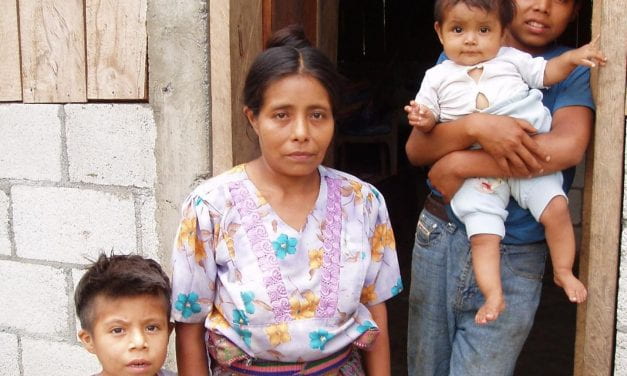
When we finally pull into San Lucas Tolimán, after a winding drive through the Guatemalan highlands, I immediately notice the kids. Two small boys giggle as they roll motorbike tires down the road. A gaggle of schoolgirls in traditional fabrics walk linked arm-in-arm. A young girl holds an apple-cheeked baby. Boys play soccer in the dust of an abandoned store. The children exude happiness everywhere. They are a testimony…

Read More
Reading “La Masacre de Panzós” in Panzós

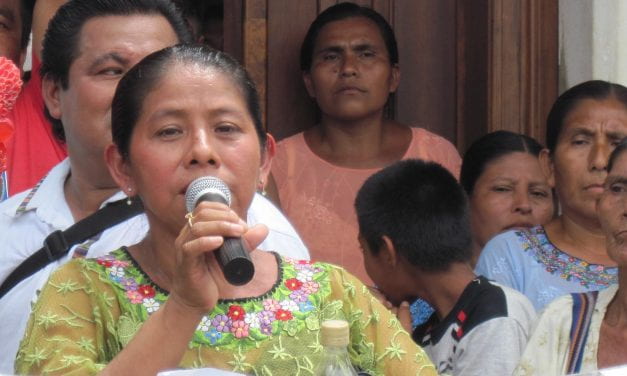
I am not afraid. I am not ashamed. I am not embarrassed. I cannot tell lies because I saw what happened and other people saw it, too. That is why there are so many widows and orphans here…the blood of our mothers and fathers ran in the streets. They tried to kill me, too. I had to throw myself in the river. I lost my shoes. The current carried me away. My body hit rocks in the river. When I finally got out, I was covered with mud …

Read More

A History of Violence, Not a Culture of Violence

Kendyl tucks her sleeve over her hand and wipes the bus window. “Why are you so interested in war memories?”she asks, catching me off guard. “If you are interested in violence, you don’t have to go into the past to find it. Violence is everywhere.” I hesitate over my response. Why does insisting on remembering the war suddenly feel arrogant? Outside the window, women roll barrels of corn on stones rough as their heels. …

Read More

Guatemala’s Police Archives

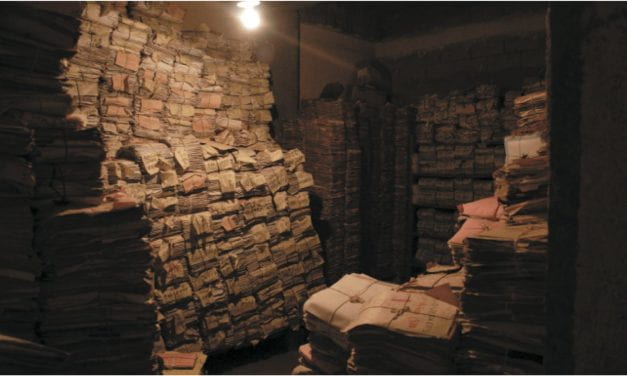
Ana Lucía Cuevas describes living for more than 25 years with the pain of her brother’s disappearance as torture, “as though you are hooded and someone is beating you with a club.” Now the shroud of secrecy is being lifted. Carlos Cuevas Molina was abducted at gunpoint on May 15, 1984, when he was 24 years old and Lucía was 21. He was a sociology student pursuing a degree at the country’s national University …

Read More

Flight 795

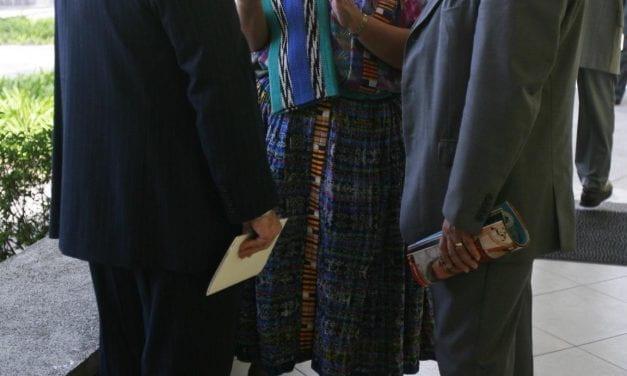
Guatemala today faces a lack of progress in fighting the complex racial oppression occurring daily. The small country has failed to confront the longstanding racism that contributes to the continuing disenfranchisement and poverty of the country’s indigenous population, 75 percent of which lives below the poverty line. This is a worrisome phenomenon for a country in which more than half of its estimated …

Read More
Subscribe
to the
Newsletter