Theme: Human Rights

Human Rights as a Vocation

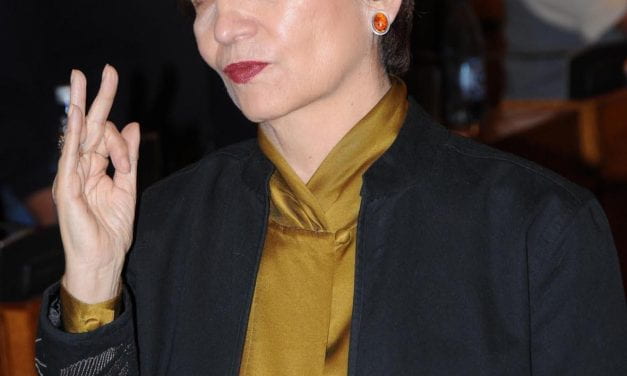
“With Ana María Romero dies a piece of the history of Bolivia. This woman is who built our democracy.” These words of remembrance by the Bolivian Vice President Álvaro García Linera marked the death of Ana María Romero de Campero on October 25, 2010, at the age of 69, the first woman President of the Senate of the newly formed Bolivian Plurinational Assembly. In the days that followed, his sentiments were echoed ..

Read More

Bolivia’s Indigenous Universities

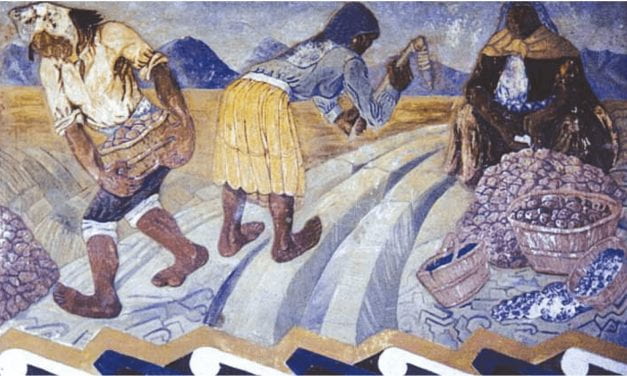
Along with demands for territory and self-determination to redress their historic marginality, the indigenous peoples’ push for higher education has found traction with the election of Evo Morales. In 2008 the government launched the Indigenous University of Bolivia (UNIBOL) with sites in three ethnolinguistic regions. The Aymara UNIBOL is in Warisata, near La Paz, where the country’s first indigenous school was founded in 1931….

Read More

Silencing the Media

Citizens’ rights to be informed on issues of public interest are being undermined throughout Latin America, damaging the health of democracy across the region. Violence from powerful criminal syndicates, abuse of state resources by authoritarian governments, and…

Read More

Indigenous Rights and the Peace Process

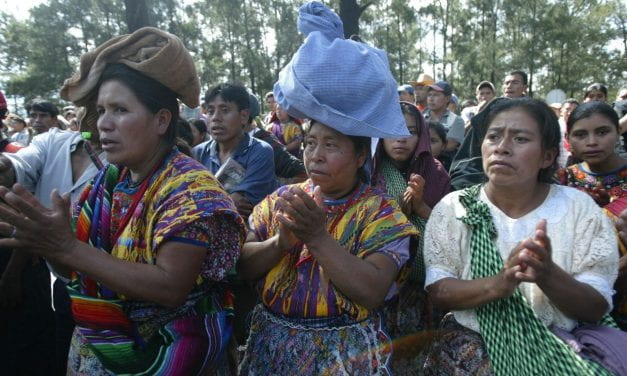
English + EspañolThe Guatemalan government and the guerilla umbrella group URNG (Guatemalan National Revolutionary Unity) signed the long-awaited Acuerdo de Identidad y Derechos de los Pueblos Indígenas (Accord on Identity and Rights of Indigenous Peoples) in March 1995. Fellow anthropologist Manuela Camus and I were just finishing research on the actions and demands of Maya organizations in the context of the country’s incipient “democracy” and the peace process. As a result, we got to see first-hand the surprise and illusions that the text aroused, and the possibilities it opened for the rights and …

Read More
Subscribe
to the
Newsletter